Bingbam Display Font Review for Brand Designers
There I was, staring at a blank brand board, trying to find the right typeface that could inject some character into a local bakery’s identity refresh. The client wanted something bold but approachable, playful yet professional — not an easy combo. That’s when I opened up Bingbam Display, and from the first click, it felt like I’d found the missing piece of the puzzle.
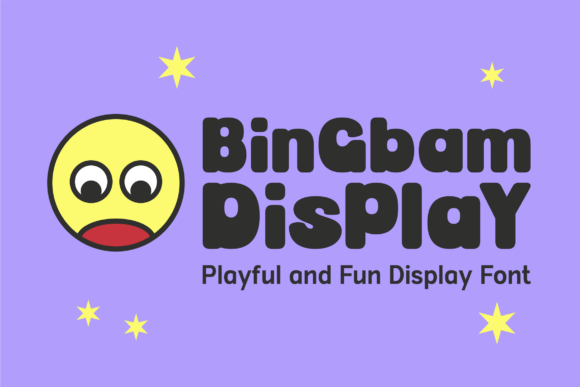
Bingbam is a display font with chunky letterforms and rounded edges that scream friendliness without losing their visual punch. It’s not your average Fonts collection staple; this one has personality. The way the letters flow together, with subtle curves and generous spacing, makes it feel like it’s smiling back at you. As a designer who often leans on Display fonts to create memorable visuals, I can say Bingbam fits right in the sweet spot between whimsical and impactful.
Bingbam for Logo Concepts and Shop Signage
I started by testing Bingbam on a logo draft for the bakery project. I paired it with a warm orange color and a simple illustration of a loaf. The result? A logo that felt inviting, fresh, and fun — exactly what the brand needed. The rounded edges gave it a softness that balanced the chunkiness, which made it perfect for a shop sign where you want people to stop and smile.
Logo design with Bingbam Display isn’t just about aesthetics; it’s also about how the font behaves in different sizes and contexts. I tested it on both large signage and smaller business cards, and while it shined on big surfaces, it didn’t hold up as well in tiny spaces. If you’re using Bingbam for a logo, keep it bold and clear — avoid overcomplicating the details or shrinking it too much.
Bingbam in Brand Boards and Packaging Mockups
Next, I moved to the brand board. I used Bingbam alongside a clean sans serif for body copy and a script font for taglines. The contrast worked beautifully. Bingbam brought energy to the board, especially in headers and accents, while the supporting fonts grounded the look in professionalism. It became the emotional anchor of the identity system.
For packaging mockups, I placed Bingbam on labels for cookie boxes and coffee bags. Its cheerful vibe translated perfectly to product names like “Honey Nut Crunch” and “Morning Bliss.” The rounded edges added a tactile, almost handmade quality, which aligned with the brand’s artisanal image. However, I had to be careful not to overload the layout with it. Used sparingly, it elevated the design; used too much, and it lost its impact.
Bingbam on Business Cards and Print Assets
Business cards are tricky because they require balance between legibility and style. I used Bingbam for the main name and title, keeping the rest in a minimalist sans serif. The effect was charming and eye-catching, especially when printed on textured paper. But again, it wasn’t ideal for small text — stick to headlines and short phrases if you’re using it in print-on-demand materials or other printed assets.
It also performed well in poster designs and flyers for seasonal promotions. The bold nature of Bingbam Display made it stand out from a distance, and the rounded forms kept it from feeling too aggressive. It’s one of those Fonts that works best when you let it take center stage.
Bingbam in Web Headers and Social Media Layouts
On digital fronts, Bingbam really came into its own. I applied it to the homepage hero section of a sample website, and it immediately grabbed attention. The chunky shapes filled the space confidently without overwhelming it. Pairing it with a modern typography system like Inter or Lato for body copy created a strong visual hierarchy that users followed naturally.
In social media layouts, I used Bingbam for Instagram post headers and promotional banners. The font’s boldness helped cut through the noise of a crowded feed, and the cheerful personality matched the brand’s tone. It’s particularly effective for short bursts of messaging, like call-to-action buttons or event announcements.
If you're considering Bingbam Display for web use, make sure to check if a webfont version is available — it’s crucial for performance and scalability. And remember, always review the commercial font licensing before launching any site or campaign.
Bingbam for Creative Studios and Boutique Branding
As someone who regularly creates branding for creative studios and boutique businesses, I’ve seen my fair share of Fonts try to do too much. Bingbam, however, feels intentional. It doesn’t shout, but it definitely speaks loud enough to be heard. I used it for a studio’s tagline: “Design With Heart,” and it conveyed the right mix of creativity and warmth.
The font’s versatility allowed me to test it across multiple design assets — from editorial design to merchandise mockups. In each case, it maintained a consistent mood. The alternates and ligatures included with Bingbam Display gave me options to tweak the look slightly without changing the overall feel. For example, swapping out the lowercase "a" or "g" for a more stylized version added a personal touch to a custom greeting card set.
One thing I noticed is that it pairs exceptionally well with serif fonts in brand boards. Think something like Merriweather or Playfair Display for a more refined contrast. This combination helps maintain a sense of sophistication while letting Bingbam handle the charm and attention-grabbing power.
Bingbam in Editorial and Commercial Design
I also tried Bingbam in an editorial context for a lifestyle blog redesign. It was perfect for article titles and pull quotes, adding a lively touch to otherwise subdued layouts. The challenge came when using it in longer headlines — beyond a few words, the characters started to feel a bit too close together. So, I recommend sticking to short phrases and breaking up long text with secondary Fonts for better readability.
When it comes to commercial design assets like product labels or packaging, Bingbam can work wonders if you know how to frame it. I designed a mockup for a new line of organic snacks and used it for the product names. The chunky letterforms made the items pop on shelves, and the rounded edges gave them a friendly, non-threatening appearance. Again, this is where Display fonts truly shine — in high-impact, low-readability situations.
What Projects Might Not Suit Bingbam
Now, let’s get real. Bingbam Display is not a universal solution. It’s a Fonts category standout for specific applications, and there are places where it simply won’t perform. Avoid using it in body text, legal documents, or formal corporate presentations. Its playful nature clashes with anything needing precision or seriousness.
Also, if your project requires extensive multilingual support or needs to scale down significantly (like in footnotes or fine print), you might need to pair it with a more functional typeface. Use it as an accent or headline font instead of a primary Fonts choice for full-scale projects.
Testing Bingbam Before Finalizing Client Work
Before committing to Bingbam in final deliverables, I always suggest testing it across platforms and formats. Try it in a logo concept, then see how it looks on a mockup of a storefront window, a website header, and a printed flyer. How does it behave in all caps? What about when combined with another Fonts? Does it feel cohesive with the rest of the brand identity?
You should also consider font pairing. While Bingbam is bold and expressive, it benefits from a complementary Fonts family that brings structure and clarity. For example, combining it with a minimalist sans serif like Montserrat or a delicate script like Allura can help balance the design and guide the viewer’s eye effectively.
Bingbam Licensing and Practical Considerations
Like any premium font, it’s essential to understand the licensing terms before using Bingbam Display in commercial settings. Whether you're designing for a client’s logo, website, or packaging, make sure the license covers those uses. Many designers fall into the trap of assuming all Fonts are royalty-free for every purpose — don’t skip this step.
Additionally, if you plan to integrate Bingbam into templates or digital products, confirm that the license allows for such usage. The last thing you want is to build something beautiful only to discover it's not suitable for the intended platform.
Lastly, if you're working on a print-on-demand project or selling branded merchandise, ensure the file format supports high-quality printing. OTF or TTF versions are usually the safest bet for crisp output.
Bingbam for Small Businesses and Content Creators
Small business owners and content creators will appreciate Bingbam for its ability to elevate a brand’s visual presence without requiring a ton of design expertise. It’s one of those Fonts that instantly adds flair to a Shopify store header, a YouTube banner, or a hand-painted café chalkboard.
Handmade sellers, bloggers, and hobbyists looking to add a unique touch to their online shop or newsletter can benefit from its bold, approachable style. Just be mindful of where and how you apply it — it’s a Display font, after all, and thrives in environments where it can be the star of the show.
One tip I always give clients is to start with a base font that handles body text and then layer in Bingbam for accents and headings. This keeps the design dynamic without sacrificing usability.
Why Bingbam Belongs in Your Toolkit
After spending time with Bingbam Display, I’m convinced it’s a go-to Fonts for any project that needs a bit of soul and a lot of presence. Whether it’s for a logo, a brand board, or a social media layout, it brings that perfect blend of boldness and charm that many Display fonts miss.
So, if you’re a brand designer, graphic artist, or small business owner in search of a font that can turn heads and tell a story, Bingbam is worth a closer look. It’s not for every project, but for the right ones — it’s unforgettable.